Spear Phishing vs. Phishing: What Is the Difference and Why It Matters

Most people have heard the term phishing, but many still do not fully understand how it works or why it remains such a common threat. Even more people are unsure about the difference between phishing and spear phishing, which is where confusion typically starts. 

The two are related, but they are not the same, and knowing the difference can help you respond more effectively if your business is under attack. 

At a basic level, what is phishing? A phishing attempt is a fraudulent message designed to trick someone into sharing sensitive information, clicking a harmful link, downloading malware, or taking an action that benefits the attacker. If you have ever received these messages, you will notice that they pretend to come from trusted sources such as banks, delivery services, software providers, or even internal company contacts.

Spear Phishing vs Phishing

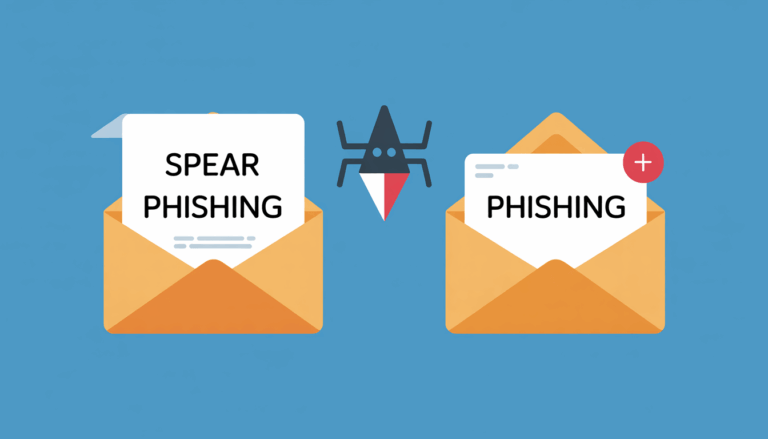
A phishing attack can be broad and generic, or it can be highly targeted. That is where the conversation around spear phishing vs phishing becomes important. One casts a wide net, while the other is used for a specific target and is more deliberate. 

For businesses trying to strengthen security, understanding both matters is essential because the response requires more than awareness alone. It also calls for strong systems, ongoing training, and reliable cybersecurity services.

Phishing Threats Continue to Grow

Phishing and spear phishing attacks continue to be some of the most common cybersecurity threats facing businesses today. Attackers are becoming more sophisticated, especially with the use of AI-generated messaging and targeted social engineering tactics.

Recent industry reports highlight how serious the problem has become:

1. According to Verizon’s 2025 Data Breach Investigations Report, credential abuse accounted for 22% of breach entry methods, making it one of the leading attack vectors for businesses.

2. IBM’s 2025 X-Force Threat Intelligence Index reported an 84% increase in emails delivering credential-stealing malware in 2024, showing how rapidly phishing-based attacks are evolving.

3. Recent cybersecurity research also found that AI-generated phishing attacks now make up a significant portion of phishing campaigns because they are more convincing and harder to detect.

These statistics show why businesses can no longer rely on basic spam filtering alone and instead need layered cybersecurity protection and employee awareness training.

What is Phishing?

To understand spear phishing and phishing, it helps to start with the broader term. What is a phishing attack in simple terms? 

It is a deceptive attempt to get someone to reveal sensitive information or take a risky action by pretending to be a legitimate source. The attacker may ask for login credentials, payment details, company data, or access to a system. In many cases, the message looks convincing enough to create a false sense of urgency or trust.

A standard phishing attack is usually sent to a large number of people at once. The message may claim there is a problem with an account, a missed delivery, an unpaid invoice, or a security issue that needs urgent attention. It mostly relies on volume rather than precision, as the attacker knows that most recipients will ignore it, but hopes that a few will respond.

This is why phishing remains so effective. It does not always rely on technical sophistication and succeeds by exploiting distraction, urgency, and human habit.

What is Spear Phishing?

If phishing is like casting a wide net, spear phishing is targeted. Instead of sending the same message to thousands of people, an attacker creates a message for a specific person, team, or business. The email may include the recipient’s name, job title, company details, or references to real colleagues or projects. That personalisation makes the message more believable and much harder to spot at a glance.

This is the key difference in the phishing vs spear phishing discussion. A general phishing email may look suspicious, sometimes almost immediately, while a spear phishing email tends to look relevant because it has been designed to match the target’s real environment. That makes it more dangerous in many business settings.

For example, an attacker might send a finance employee a fake message that appears to come from a senior manager requesting an urgent payment. Or they may impersonate a supplier and ask an employee to open an attachment. In cases like these, spear phishing works because it is familiar, not random.

Spear Phishing vs Phishing: The Core Difference

The clearest way to understand spear phishing vs phishing is to look at scope and intent. A standard phishing campaign is generic. It targets many people with the same or similar message. A spear phishing campaign is tailored and deliberate. It targets a specific individual or organisation with a message that appears personal and relevant.

That difference matters because the risk changes with the method. General phishing tries to catch someone off guard through volume. Meanwhile, spear phishing tries to gain trust through detail. One depends on reach, while the other depends on research.

This is why businesses should not treat every suspicious email as though it follows the same pattern. The tactics behind phishing vs spear phishing are different enough that employees need to understand both. A team that only looks for obvious warning signs may still miss a more convincing message that appears to come from a trusted internal source.

Spear Phishing vs Phishing The Core Difference

How to Identify a Spear Phishing Email

Because spear phishing emails are designed to look legitimate, they can be difficult to detect at first glance. However, there are several warning signs that employees and businesses should watch for.

1. Unexpected Urgency

Attackers often create pressure by claiming immediate action is required. Messages may mention urgent payments, account problems, security alerts, or deadlines designed to force quick decisions without verification.

2. Slightly Altered Sender Addresses

Spear phishing emails may appear to come from trusted contacts, but the email address is often slightly changed. Attackers may replace letters with similar-looking characters or use domains that closely resemble legitimate company addresses.

3. Requests for Confidential Information

Any unexpected request for passwords, payment details, sensitive company data, or login credentials should be treated cautiously, especially if sent through email alone.

4. Suspicious Payment Requests

Finance teams are common targets for spear phishing attacks. Employees should verify any unusual payment requests, bank detail updates, or invoice changes through a secondary communication method before taking action.

5. Fake Internal Communication

Some spear phishing emails impersonate executives, managers, vendors, or IT teams to appear trustworthy. If a message seems unusual, employees should confirm the request directly with the sender instead of relying only on email communication.

Training employees to recognise these signs is an important part of reducing phishing-related risks and improving overall cybersecurity awareness.

Why Spear Phishing is More Dangerous for Businesses

Businesses face both types of threats, but spear phishing can be especially damaging because it typically targets people with access to systems, money, or sensitive data. Attackers may spend time learning about the company structure, roles, vendors, and internal language before sending the message. 

On this note, managed cybersecurity services become especially valuable. A business may have basic spam filtering in place, but that alone may not catch every targeted email. Spear phishing attacks may look clean, relevant, and technically polished. They can bypass simple assumptions because they do not always contain the obvious errors that people associate with phishing.

A targeted attack against one employee can lead to stolen credentials, data exposure, financial loss, or broader network compromise. That is why businesses need layered protection, monitoring, and a stronger overall response plan supported by reliable cybersecurity services.

How Cybersecurity Services Help Reduce Risk

The difference between spear phishing and phishing comes down to targeting. Phishing is broader and more generic. On the other hand, spear phishing is personalised and mostly more convincing. Both can cause real harm, and both remain serious threats for individuals and businesses alike.

At the end of the day, effective cybersecurity services help businesses reduce exposure to both phishing and spear phishing by strengthening technical controls and improving operational readiness. That can include advanced email protection, threat detection, multi-factor authentication, access management, security awareness programs, and ongoing monitoring.

As a result, cybersecurity as a service gives businesses access to expertise, monitoring, and support without forcing them to build every security function internally. In the context of phishing attack prevention, this is crucial because threats move quickly, and the response needs to be both technical and ongoing.

If your business wants stronger protection against phishing and spear phishing attacks, Neptune9’s managed cybersecurity services can help identify threats before they cause damage.

FAQs

What is the main difference between phishing and spear phishing?

Phishing is a broad attack that targets many people using generic messages, while spear phishing is a highly targeted attack designed for a specific individual or business using personalised information.

Why are spear phishing attacks more successful?

Spear phishing attacks are often more successful because attackers research their targets beforehand, making emails appear legitimate, relevant, and trustworthy.

How can businesses protect themselves from phishing attacks?

Businesses can reduce phishing risks through employee awareness training, multi-factor authentication, advanced email security, access controls, and managed cybersecurity services.

What are common signs of a spear phishing email?

Common warning signs include urgent requests, suspicious links or attachments, altered sender email addresses, requests for confidential information, and unexpected payment instructions.

Why is employee training important for phishing prevention?

Employee training helps staff recognise suspicious emails, avoid risky actions, and respond appropriately to potential phishing attempts before they lead to data breaches or financial loss.